Where Quotes Meet Purpose.
Get In Touch
 +44 161 820 4910
 hello@swanlogics.com
 1 Gibfield Park Avenue Atherton Manchester M46 0SU



© SWANLOGICS LTD 2025
Web Design Manchester
All Rights Reserved
+44 161 820 4910 hello@swanlogics.com 1 Gibfield Park Avenue Atherton Manchester M46 0SUOur Services
We help businesses grow online by crafting tailored strategies that boost visibility, increase engagement, and drive real results. From SEO and social media marketing to content creation and paid campaigns, our team ensures your brand stands out in the digital space.

The UI/UX design workflow is a structured process that ensures every digital product is both visually appealing and user-friendly. It begins with research and discovery, where user needs, business goals, and market insights are analyzed to build a strong foundation. From there, information architecture is developed to organize content and define clear navigation paths. Wireframes and prototypes are then created to map out layouts and simulate user journeys, allowing early testing and feedback. Once the structure is validated, the visual design phase focuses on applying colors, typography, and branding elements to create a modern and consistent look.

The JavaScript workflow is designed to streamline the process of building dynamic, interactive, and scalable web applications. It begins with setting up a development environment using modern tools and frameworks such as Node.js, React, or Vue.js. Developers structure the codebase into reusable modules to maintain clarity and efficiency. Package managers like npm or Yarn are used to handle dependencies, while build tools such as Webpack, Babel, or Vite optimize the code for performance and compatibility across different browsers. During development, version control with Git ensures smooth collaboration among teams, and automated testing frameworks help identify issues early.
The Python workflow is a systematic approach to developing efficient, scalable, and reliable applications using the Python programming language. It begins with project setup, where virtual environments are created to manage dependencies and maintain clean code separation. Developers then structure the codebase into modules and packages to ensure readability and reusability. Popular libraries and frameworks such as Django, Flask, Pandas, or TensorFlow are integrated depending on the project's needs, whether it is web development, data analysis, or machine learning. Version control with Git is used to manage collaboration and track changes, while automated testing frameworks like PyTest or Unittest help validate functionality at every stage. Debugging and performance tuning are carried out to optimize execution speed and resource usage.

The mobile app development workflow is a structured process that ensures applications are fast, reliable, and user-friendly across different devices and platforms. It begins with research and planning, where user needs, business goals, and technical requirements are defined. Next, wireframes and prototypes are created to map out app layouts, features, and navigation flows. The design phase focuses on crafting an intuitive and engaging user interface that aligns with brand identity while maintaining accessibility. Once the design is finalized, developers build the app using frameworks such as React Native, Flutter, or native technologies for iOS and Android.
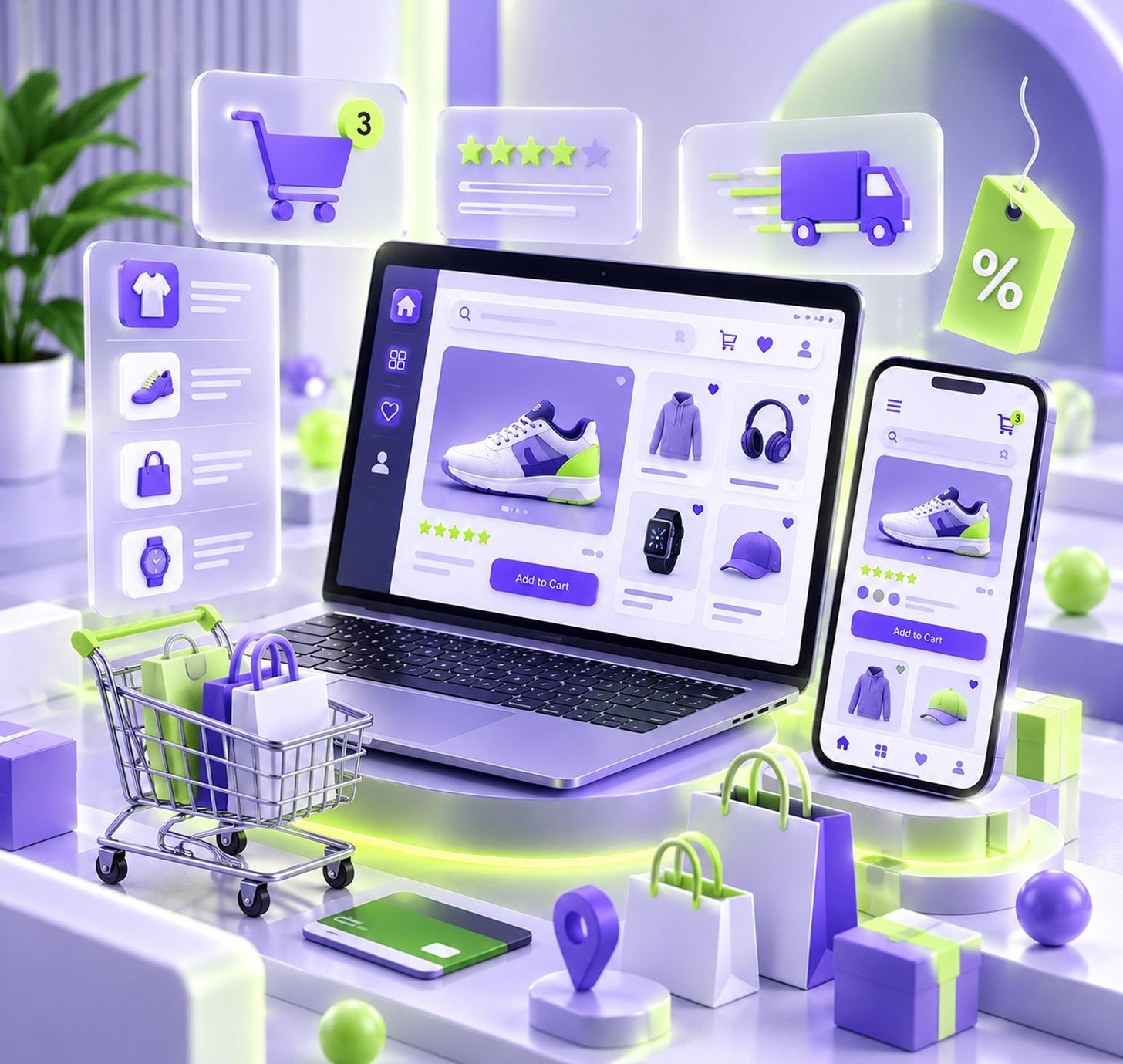
The eCommerce development workflow is designed to create secure, scalable, and user-friendly online shopping platforms that deliver a seamless buying experience. It begins with research and planning, where business goals, target audiences, and competitor strategies are analyzed to shape the platform's structure. The process continues with wireframing and UI/UX design to define intuitive navigation, product catalogs, and checkout flows. Developers then build the platform using technologies such as Shopify, WooCommerce, Magento, or custom frameworks, integrating secure payment gateways, product management systems, and inventory tracking. APIs and third-party services are added to enable features like shipping, analytics, and customer relationship management.
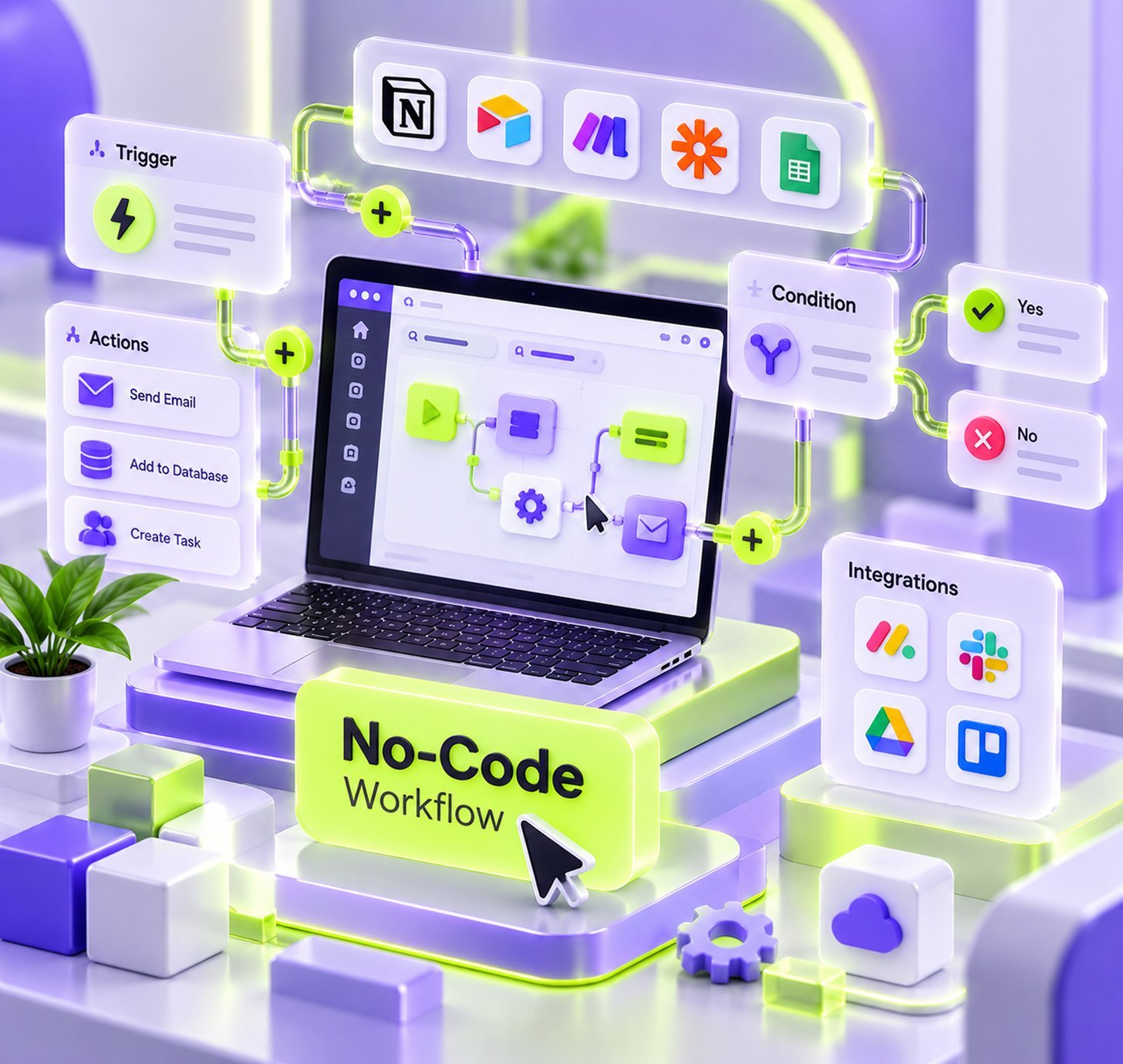
The no-code workflow is designed to empower businesses and individuals to build digital solutions without the need for traditional programming. It begins with defining project goals and mapping out processes that need to be automated or digitized. Using intuitive drag-and-drop platforms such as Webflow, Bubble, Airtable, or Zapier, users can design applications, websites, and workflows visually. The workflow continues with creating user interfaces, connecting databases, and integrating APIs through pre-built connectors, making it possible to launch functional products in a fraction of the time compared to conventional development. Testing and iterations are performed to ensure usability, efficiency, and accuracy of automated processes.