BrandingWebsiteSEO
2025
TechCorp Solutions
 +44 161 820 4910
 hello@swanlogics.com
 1 Gibfield Park Avenue Atherton Manchester M46 0SU

We believe great software goes beyond code—it's about creating efficient, scalable solutions. By combining Python's versatility with strategic thinking, we ensure every project not only functions flawlessly but also delivers measurable business value.
Our Manchester-based Python development studio is committed to transforming ideas into powerful software solutions. We begin every project by understanding your technical requirements, business objectives, and scalability needs. From planning and architecture to coding, testing, and deployment, our process is designed to create robust, maintainable applications. Each solution is carefully built to provide optimal performance, security, and reliability across all environments. By blending Python's ecosystem with best practices, we deliver solutions that are not only functional but also future-proof and results-driven.

Requirement Analysis
Effective requirement analysis is the foundation of any successful Python project. It involves in-depth discussions with stakeholders to identify technical specifications, performance needs, and integration requirements. This phase ensures that the final solution aligns with your vision and delivers tangible value to your users.
Conduct stakeholder interviews to identify key objectives
Define technical specifications and performance requirements
Document functional and non-functional requirements
Establish measurable success criteria and project KPIs

Research & Planning
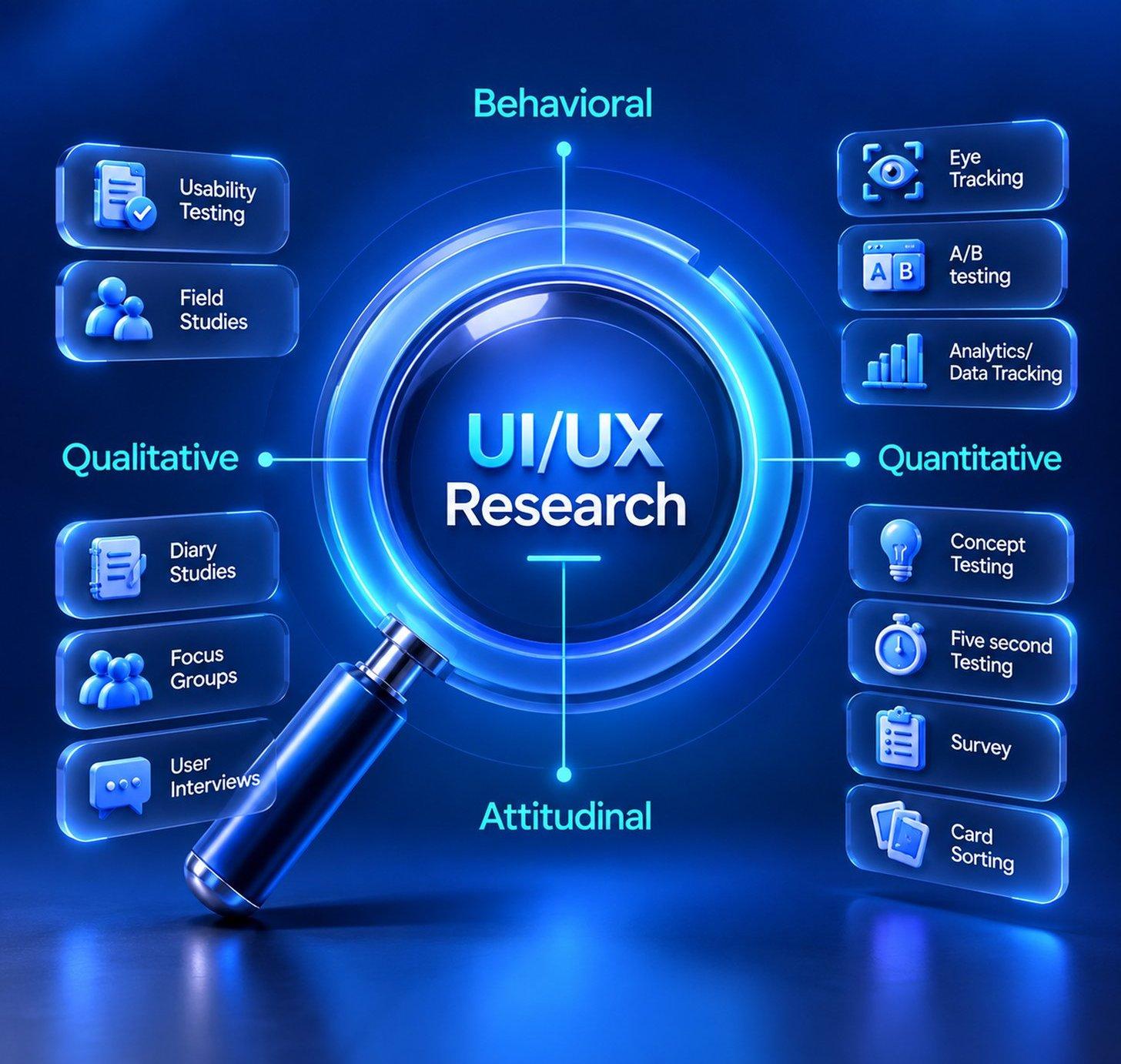
Through research and planning are critical for making informed technical decisions. This phase involves a deep dive into the technology landscape to understand framework capabilities, architectural patterns, and industry best practices. This ensures the final product is both technically sound and aligned with modern development standards.
Conduct a technology assessment of available Python frameworks
Design scalable architecture and database schemas
Audit and document relevant Python libraries and tools
Synthesize findings into actionable technical specifications
Architecture & Design
This phase focuses on creating a solid technical foundation for your Python application. It involves designing the overall system architecture, defining database schemas, and structuring APIs for seamless data flow. This ensures users can interact with your application efficiently and data is managed effectively throughout the system.
Develop a hierarchical system architecture diagram
Define database schemas and relationships
Map data flows and API endpoints for key functionalities
Establish a clear data strategy and security measures

Clean code implementation focuses on writing maintainable, efficient Python code that follows best practices. This involves using appropriate design patterns, writing comprehensive unit tests, and ensuring code readability and scalability. This allows the team to focus on functionality while maintaining high code quality standards.
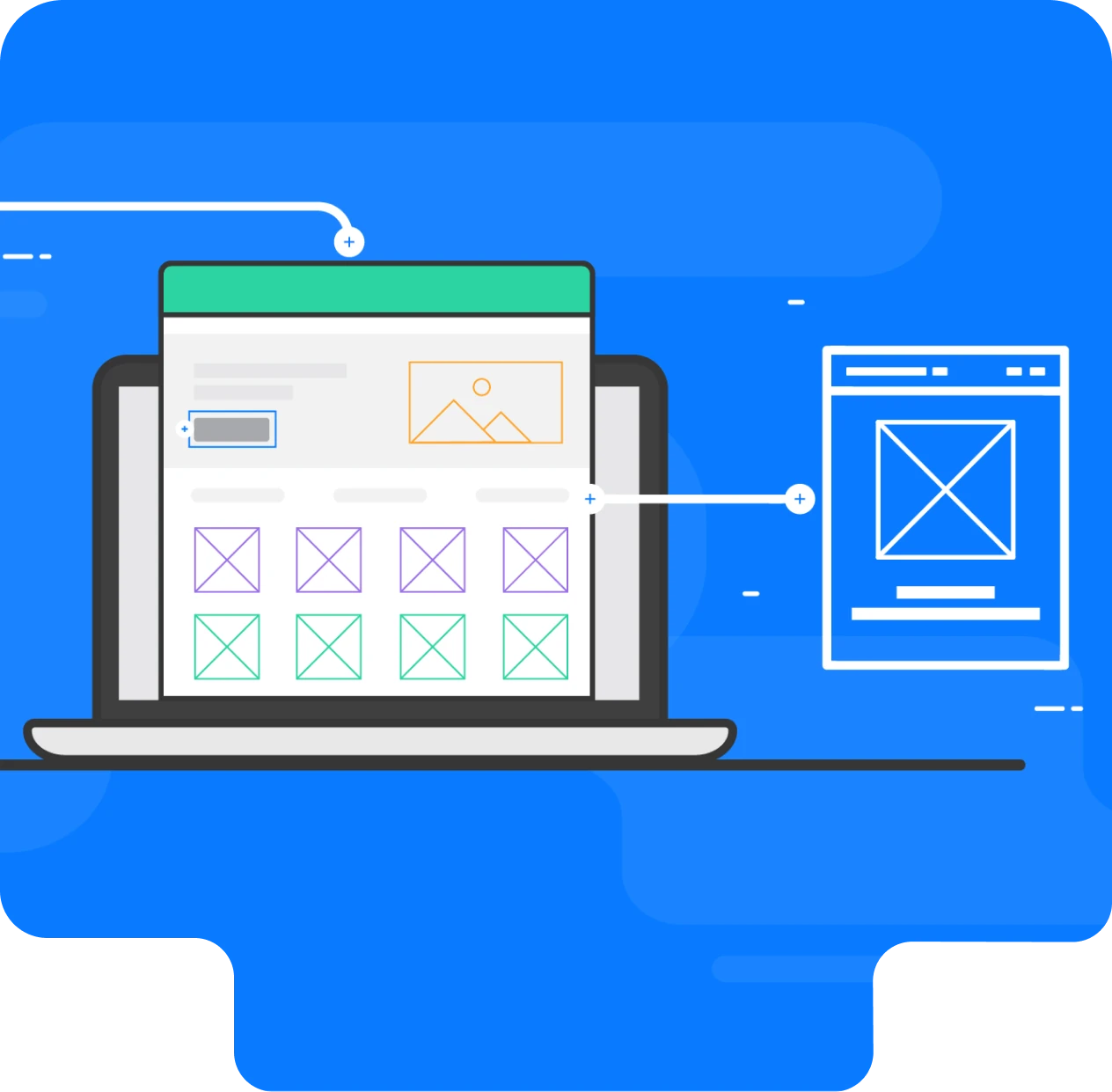
Comprehensive testing is essential for delivering reliable Python applications. This process involves writing and executing various types of tests to identify bugs, performance issues, and security vulnerabilities. This helps in creating a robust application that performs well under different conditions and scenarios.
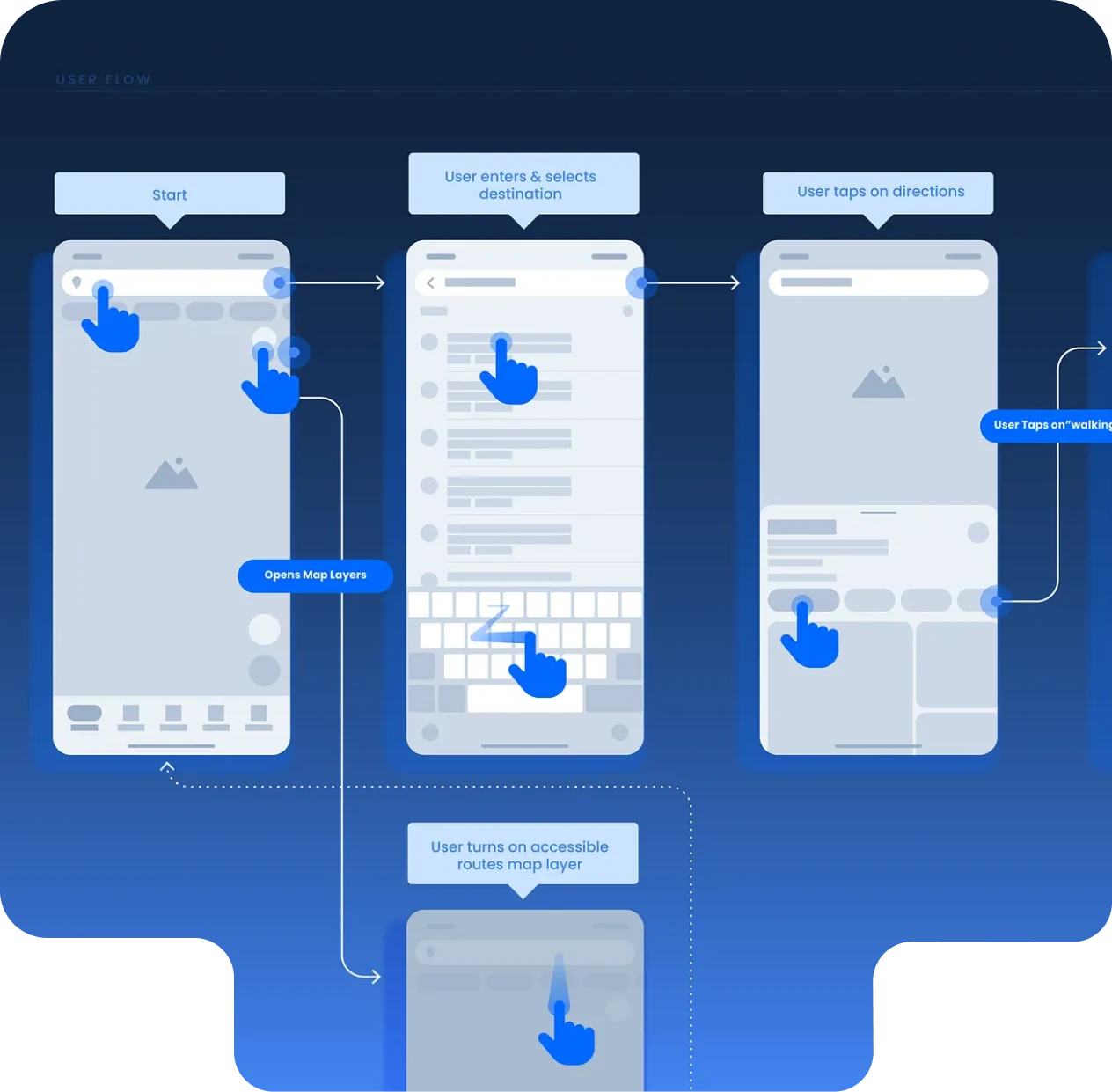
Functional prototypes and MVPs transform abstract ideas into tangible, working software. They are essential for validating technical feasibility, gathering early user feedback, and demonstrating core functionality before investing in full-scale development.


Deployment & Optimization
Our deployment process ensures your Python application launches successfully and performs optimally in production. We handle containerization, cloud deployment, performance monitoring, and continuous optimization to maintain high availability and user satisfaction.
Containerization with Docker and orchestration
Cloud deployment on AWS, GCP, or Azure
Performance monitoring and optimization
CI/CD pipeline setup and maintenance
Quality Assurance
Quality assurance is a crucial step that places your Python application through rigorous testing to identify vulnerabilities, performance bottlenecks, and functionality issues. We facilitate structured testing phases where we validate code quality, security measures, and system performance before production deployment.
Unit testing, integration testing, and end-to-end validation
Security audits and vulnerability assessments
Load testing and performance benchmarking
Code reviews and quality assurance checks
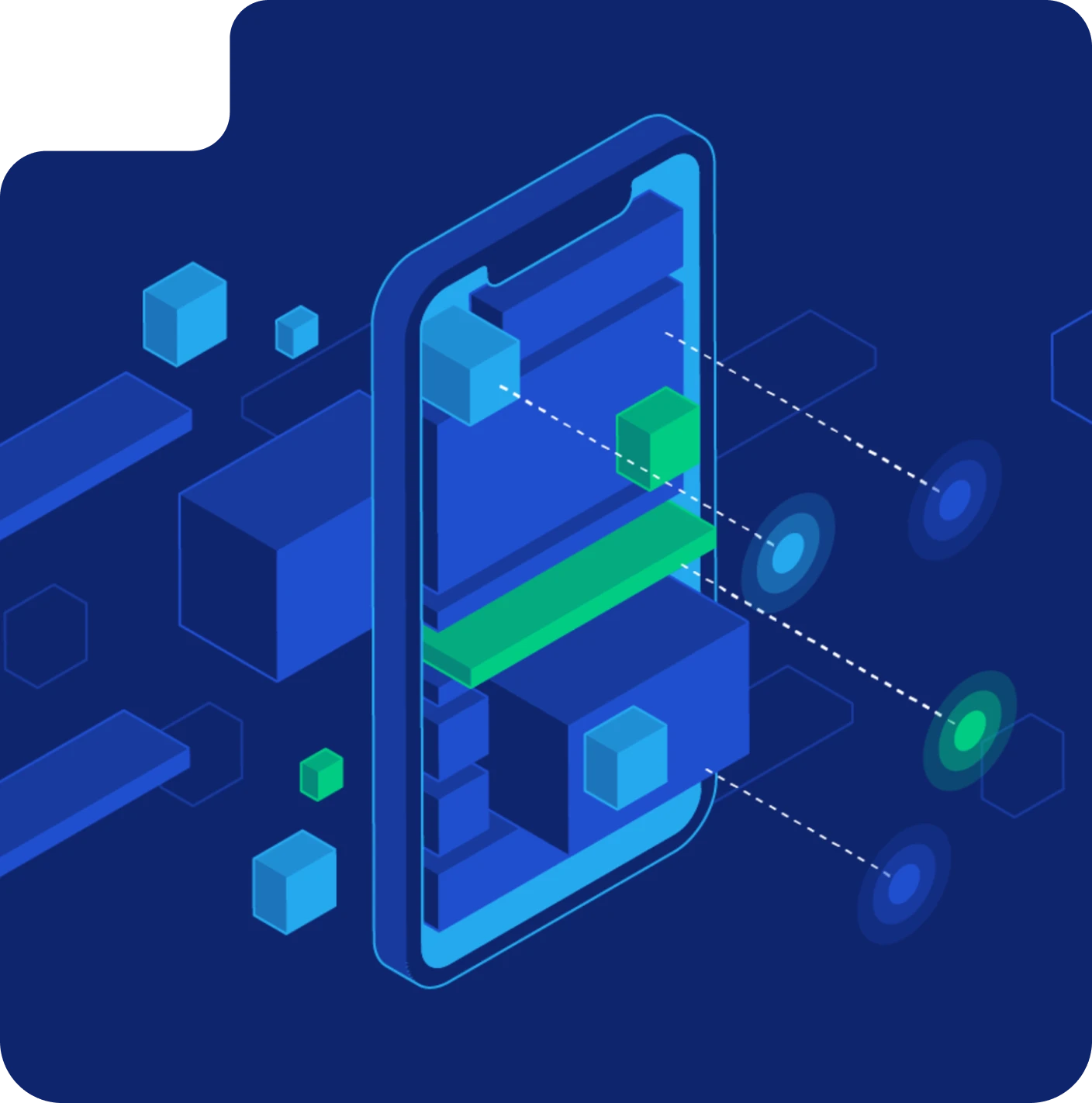

Build robust web applications using Python frameworks like Django and Flask. We create scalable backends, RESTful APIs, and full-stack solutions that power modern digital experiences.

Transform raw data into actionable insights with Python's powerful libraries like Pandas, NumPy, and Matplotlib. We help you analyze trends, visualize data, and make data-driven decisions.

Leverage Python's ML ecosystem including scikit-learn, TensorFlow, and PyTorch to build intelligent applications. From predictive models to recommendation systems, we bring AI to your projects.

Streamline workflows with Python scripting and automation. We create custom tools, web scrapers, and automated processes that save time and reduce manual effort across your operations.

Design and implement powerful APIs using Python. We build secure, well-documented endpoints that integrate seamlessly with frontend applications and third-party services.

Ensure smooth deployment and maintenance of Python applications. We handle containerization, CI/CD pipelines, cloud deployment, and monitoring to keep your applications running reliably.
Iteration & Maintenance

True software excellence is achieved through a cycle of deployment, monitoring, and refinement. We systematically analyze usage patterns, performance metrics, and user feedback to identify key areas for enhancement. This iterative process ensures the final product is not only functional but also highly optimized and perfectly aligned with both user needs and business goals.

Frequently Asked Question
Timelines Depend On The Spec Of The Website Project, But Here Are Some Guidelines.
Typically, a bespoke corporate or marketing website takes between 4 to 8 weeks from discovery, wireframing, and visual design to development and launch. More comprehensive web applications, custom e-commerce stores, or complex SaaS platforms usually take 8 to 14 weeks. We organize projects into two-week agile sprints with clear milestone deliverables so you always have full visibility.
We work with companies of all sizes, from startups to enterprise-level organizations. Our flexible approach allows us to scale our services to meet the unique needs and budgets of each client, whether you're a small business looking for your first website or a large corporation needing a complex digital platform.
Yes, we specialize in website redesigns and improvements. We can help modernize your existing site, improve its performance, enhance user experience, and ensure it meets current web standards. We'll work with you to identify areas for improvement while preserving what's already working well.
Absolutely! We work with clients around the world. Thanks to modern communication tools and our streamlined processes, we can effectively collaborate with international clients across different time zones. We have experience working with businesses in various countries and understanding different market requirements.
Website costs vary significantly based on complexity, features, and requirements. A simple website might start from a few thousand dollars, while complex e-commerce or enterprise solutions can cost significantly more. We provide detailed quotes after understanding your specific needs and objectives.